
Xinjiang Trade Surges 70% in July: Faster Clearance at Khorgos and What It Means for Uzbek Importers
Xinjiang's foreign trade jumped 70.4% in July 2026. Customs clearance at Khorgos now takes 0.5–1.5 days instead of 2–3. Here's how to plan shipments from China to Uzbekistan.
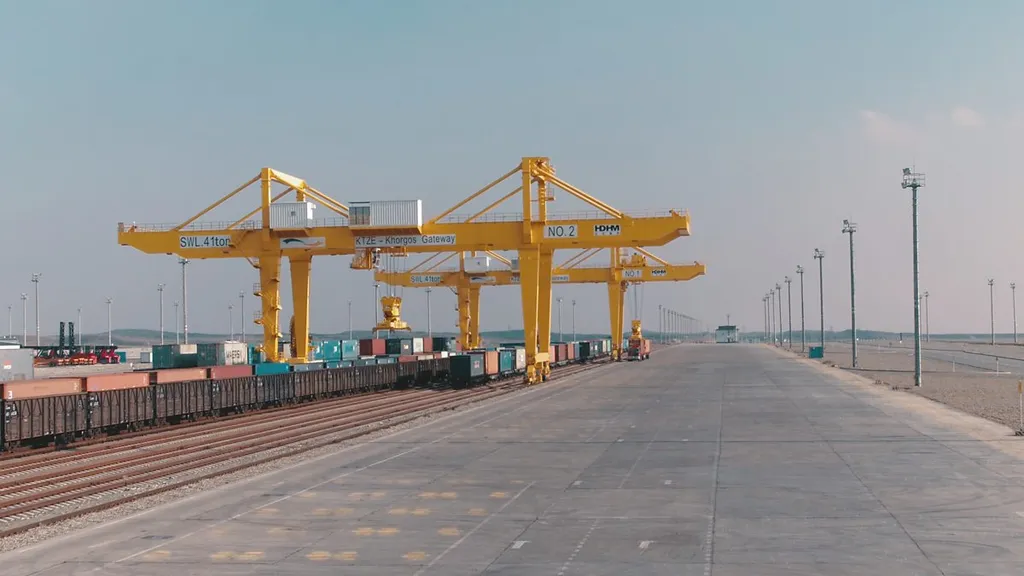
The customs authority of Xinjiang Uyghur Autonomous Region has published its figures for the first seven months of 2026, and the signal is unambiguous: the main overland gateway from China to Central Asia is getting busier — and faster at the same time. Regional foreign trade reached 335.2 billion yuan (about USD 46 billion), up 4.4% year on year, but the real story is July alone: a 70.4% jump that pushed the monthly total to 68.7 billion yuan.
For importers shipping from China to Uzbekistan, this matters because the overwhelming share of that cargo still moves through Xinjiang’s two rail gates — Khorgos and Alashankou — or across the region’s road borders.
Khorgos cuts clearance from days to hours
The most operationally relevant change is the new “direct port” (guankou zhitong) customs model rolled out at the Khorgos cross-border trade zone. Export cargo now clears customs in 0.5–1.5 days instead of 2–3 days, supervision steps have been cut from 15 to 5, and overall clearance efficiency is up by roughly 66%.
The numbers confirm shippers are responding: the bonded zone’s import-export volume topped 4.86 billion yuan in seven months, up 80.9%. Meanwhile Alashankou handled 4,334 freight trains between January and July — a 22.2% increase and the highest throughput of any rail port in China. In practical terms, rail freight customers get denser departure schedules and fewer unplanned holds, while urgent cargo moving by road freight spends far less time sitting at the border than it did a year ago.
Construction of the China–Kyrgyzstan–Uzbekistan railway is supercharging the corridor
July also brought an eye-catching figure: Xinjiang’s exports of contracted-project goods to Uzbekistan — steel, general machinery and other construction materials — surged 150.3% year on year. The driver is the active construction phase of the China–Kyrgyzstan–Uzbekistan railway. Tanker trucks carrying diesel for the worksite equipment are already crossing at Irkeshtam into Kyrgyzstan.
This cuts both ways for importers. On one hand, strong two-way traffic improves the balance of wagons and containers on the return leg, which helps keep rail freight rates stable, and the shift to electronic freight permits is making road logistics more predictable. On the other hand, capacity gets tight in peak season: shippers who book at the last minute are increasingly likely to queue for equipment and slots.
How to plan your shipments now
- Book rail space 2–3 weeks ahead. Train schedules are fuller than ever; September–November is the tightest window.
- Use road for time-sensitive cargo. With border clearance measured in hours rather than days, trucking from Kashgar or Urumqi via Khorgos is a genuine alternative to rail for deadline shipments.
- Get paperwork right before loading. Higher volumes mean more frequent spot inspections — a complete, consistent document package remains the best insurance against delays.
UZLogis runs rail and road freight from China to Uzbekistan end to end — from consolidated LCL loads to full container loads, with customs clearance handled on both sides. Contact us for current rates and equipment availability on your route.
Source: Xinjiang customs statistics, Xinjiang Daily (31 August 2026), Kashgar prefecture government portal.